







The world of interior design has witnessed a remarkable evolution in recent years, with botanical elements taking center stage in creating inviting, vibrant living and working environments. Among the most sought-after greenery options, the fiddle leaf fig has emerged as an iconic statement piece that instantly elevates any space. However, maintaining these temperamental plants can prove challenging for many homeowners and businesses. This is where high-quality synthetic alternatives come into play, offering the perfect solution for those seeking the aesthetic appeal of lush foliage without the demanding care requirements. The artificial fiddle tree has revolutionized how we incorporate nature-inspired elements into our surroundings, providing an accessible way to achieve that coveted biophilic design aesthetic.
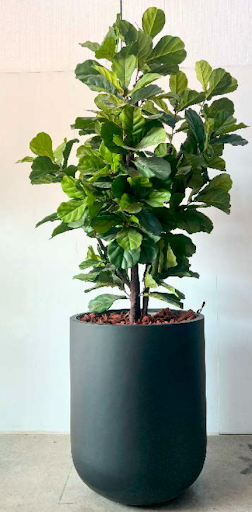
Modern manufacturing techniques have advanced to such a degree that distinguishing between genuine and replica plants has become increasingly difficult. The latest generation of faux botanical specimens features incredibly detailed craftsmanship, from the distinctive veining patterns on oversized leaves to the authentic texture of bark and stems. These innovations have made it possible for design enthusiasts to enjoy the visual impact of towering greenery without worrying about lighting conditions, watering schedules, or seasonal changes. Whether you’re furnishing a corporate lobby, styling a residential living room, or creating an Instagram-worthy backdrop for your business, understanding the benefits and options available in artificial fiddle tree can help you make informed decisions that enhance your space for years to come.
Interior designers and homeowners alike have embraced synthetic botanical elements as essential components of modern décor strategies. The artificial fiddle tree has particularly captured attention due to its dramatic presence and architectural qualities that complement various design styles from minimalist Scandinavian to eclectic bohemian aesthetics. This surge in popularity stems from several converging factors that have reshaped how we think about incorporating greenery into our environments.
The practical advantages of choosing replica plants over their living counterparts cannot be overstated. Real fiddle leaf figs are notoriously finicky, requiring specific humidity levels, consistent watering routines, and precise lighting conditions to thrive. Many plant enthusiasts have experienced the disappointment of watching their expensive specimens develop brown spots, drop leaves, or fail to flourish despite their best efforts. Synthetic alternatives eliminate these frustrations entirely, maintaining their pristine appearance regardless of environmental conditions or care routines.
Beyond the maintenance considerations, artificial options offer unparalleled flexibility in placement and design implementation. You can position these botanical replicas in windowless offices, dimly lit corners, or high-traffic areas where real plants would struggle to survive. This freedom allows designers to create cohesive green spaces throughout entire buildings without being constrained by natural light availability or climate control requirements. The result is a more democratic approach to biophilic design, where every space can benefit from the psychological and aesthetic advantages of greenery.
The quality of contemporary faux foliage has reached unprecedented levels of realism. Premium manufacturers now utilize advanced materials and production techniques that capture the subtle variations in leaf coloration, the natural droop of branches, and even the slight imperfections that make living plants appear authentic. High-end artificial fiddle tree specimens often incorporate real wood trunks, adding genuine organic texture that enhances the overall believability of the piece. These attention-to-detail elements ensure that even close inspection reveals a convincing representation of nature.
Economic considerations also play a significant role in the growing preference for synthetic botanical elements. While the initial investment in a quality replica may seem substantial, the long-term cost comparison favors artificial options significantly. Real plants require ongoing expenses for specialized soil, fertilizers, pest control products, and potentially professional maintenance services. They may also need replacement if they fail to thrive or outgrow their designated space. A well-constructed synthetic alternative, conversely, represents a one-time purchase that continues delivering value for many years without additional expenditures.
Creating a convincing botanical replica requires meticulous attention to the distinctive characteristics that define the fiddle leaf fig species. The artificial fiddle tree must accurately reproduce several key features to achieve the desired level of realism that satisfies discerning customers and design professionals. Understanding these components helps consumers evaluate quality and make informed purchasing decisions.
The leaves represent the most visually prominent element and therefore receive the greatest scrutiny from observers. Authentic fiddle leaf foliage displays a characteristic violin or lyre shape with prominent veining that creates a distinctive texture across the leaf surface. Premium artificial versions replicate this veining pattern with remarkable precision, using molding techniques that create three-dimensional relief rather than simply printing patterns onto flat surfaces. The color gradation from deep forest green in mature leaves to lighter, more vibrant hues in newer growth adds another layer of authenticity that quality manufacturers carefully reproduce.
Leaf size variation contributes significantly to the natural appearance of the overall tree. In nature, fiddle leaf figs display a range of leaf dimensions depending on the age and position of each leaf on the plant. The largest leaves typically measure between ten to fifteen inches in length, while smaller, newer growth appears near the top of the plant. High-quality artificial specimens incorporate this size diversity rather than using uniformly sized leaves throughout, creating a more organic and believable appearance that mimics natural growth patterns.
The trunk and branch structure forms the foundational framework that supports the foliage and contributes substantially to the overall aesthetic. Many premium artificial fiddle tree products utilize genuine wood trunks sourced from real trees, providing authentic bark texture, natural color variations, and the subtle irregularities that characterize living wood. This approach creates a hybrid product that combines organic and synthetic materials for maximum realism. The trunk diameter, branching angles, and overall proportions must align with what observers expect from actual fiddle leaf figs to maintain the illusion of authenticity.
Stem construction represents another critical detail that separates exceptional replicas from mediocre alternatives. The petioles connecting leaves to branches should display appropriate thickness, color, and flexibility. Quality manufacturers ensure these stems can support the weight of the artificial leaves while maintaining natural positioning rather than appearing stiff or unnaturally rigid. The attachment points where stems meet branches should appear seamless and organic rather than obviously manufactured or mechanically joined.
The ability to customize artificial botanical elements has opened new possibilities for designers and property owners seeking specific aesthetic outcomes. Custom artificial fiddle tree creations allow for precise control over dimensions, styling, and characteristics that might be impossible or impractical to achieve with living plants. This customization capability has transformed synthetic foliage from a compromise solution into a preferred option for many high-end installations.
Height specifications represent one of the most common customization requests, as different spaces require different scales of greenery to achieve proper visual balance. While standard retail options typically range from four to eight feet tall, custom manufacturers can create specimens reaching twelve, fifteen, or even twenty feet in height for dramatic installations in commercial lobbies, atriums, or residential spaces with soaring ceilings. These towering creations require specialized engineering to ensure stability and proper weight distribution while maintaining the graceful proportions expected from fiddle leaf specimens.
Fullness and density customization allows clients to specify how lush and abundant they want their artificial tree to appear. Some design aesthetics favor a more sparse, architectural look with clearly visible trunk and branch structure, while others prefer a dense canopy that creates maximum visual impact and screening capability. Custom fabricators can adjust the number of branches, leaf placement, and overall volume to match specific design visions. This flexibility ensures the final product integrates seamlessly with its intended environment rather than requiring the space to adapt to a standard product.
Trunk configuration offers another avenue for personalization, with options ranging from single-trunk specimens that emphasize vertical drama to multi-trunk arrangements that create a more organic, grove-like appearance. The choice between straight, slightly curved, or dramatically twisted trunk styles can significantly impact the overall character of the piece. Some clients prefer the clean, contemporary look of a perfectly straight trunk, while others appreciate the natural character of wood with visible knots, texture variations, and gentle curves that suggest organic growth patterns.
Color customization extends beyond simple green variations to include options for variegated foliage, autumn-toned leaves, or even completely non-naturalistic color schemes for artistic installations. While most clients prefer the classic deep green associated with healthy fiddle leaf figs, some design concepts benefit from subtle color shifts or intentional imperfections like brown-edged leaves that add character and realism. Premium manufacturers can accommodate these specific requests, creating pieces that align perfectly with overall design schemes and color palettes.
Understanding how premium artificial fiddle tree specimens are created provides valuable insight into what distinguishes exceptional products from inferior alternatives. The manufacturing process involves multiple specialized steps, each requiring expertise and attention to detail to achieve the level of realism that today’s consumers expect. This behind-the-scenes knowledge empowers buyers to ask informed questions and evaluate quality claims from different suppliers.
The process typically begins with detailed study and documentation of actual fiddle leaf fig specimens. Manufacturers photograph, measure, and analyze real plants to capture the subtle characteristics that define the species. This research phase establishes the templates and standards that guide all subsequent production steps. The most dedicated manufacturers maintain living specimens in their facilities, allowing artisans to reference actual plants throughout the creation process rather than relying solely on photographs or memory.
Leaf fabrication represents the most technically complex aspect of production. High-quality leaves begin with detailed molds created from actual fiddle leaf foliage, capturing every vein, texture variation, and subtle contour. These molds are then used to shape specialized materials—typically high-grade polyethylene, silk, or proprietary fabric blends—that provide the right combination of durability, flexibility, and visual authenticity. Multiple layers of coloring are applied to create depth and variation rather than uniform, flat color that immediately signals artificial origin.
Trunk preparation varies depending on whether the manufacturer uses genuine wood or synthetic alternatives. When real wood is employed, suitable branches must be sourced, cleaned, treated for stability, and sometimes modified to achieve desired shapes or dimensions. This process requires woodworking expertise to ensure structural integrity while preserving the natural character that makes wood trunks so convincing. Synthetic trunk options involve molding and texturing processes that attempt to replicate wood grain, bark patterns, and color variations, though these rarely achieve the same level of authenticity as genuine wood.
Assembly brings together all the individual components into a cohesive whole. Skilled artisans attach leaves to stems, position branches at appropriate angles, and ensure proper weight distribution throughout the structure. This stage requires both technical knowledge and artistic sensibility, as the goal is creating a balanced, natural-looking specimen rather than simply connecting parts according to a rigid formula. The best manufacturers employ individuals with horticultural knowledge who understand how real plants grow and can replicate those patterns in artificial constructions.
Quality control procedures separate premium manufacturers from budget operations. Rigorous inspection processes examine each completed artificial fiddle tree for defects, inconsistencies, or elements that compromise realism. This might include checking for uniform leaf attachment, verifying color consistency, testing structural stability, and ensuring the overall appearance meets established standards. Products that fail inspection are either corrected or rejected entirely, maintaining the manufacturer’s reputation for excellence.
Successfully incorporating an artificial fiddle tree into your space requires thoughtful consideration of placement, surrounding elements, and overall design context. Even the most realistic replica will fail to achieve its potential if positioned inappropriately or styled without attention to complementary factors. Strategic placement transforms a simple decorative element into a focal point that enhances the entire environment.
Scale relationships between the artificial tree and its surroundings fundamentally influence visual success. A towering fifteen-foot specimen creates dramatic impact in a spacious lobby with high ceilings but would overwhelm a modest residential living room. Conversely, a petite four-foot version might appear insignificant in a vast commercial space where something more substantial is needed. The general guideline suggests that tree height should relate proportionally to ceiling height, typically occupying between one-half to two-thirds of the vertical space for balanced visual weight.
Corner placement represents one of the most popular and effective positioning strategies for artificial fiddle tree specimens. Corners naturally draw the eye and provide structural support that enhances stability for taller pieces. This placement also maximizes floor space efficiency, allowing the tree to make a statement without obstructing traffic flow or consuming valuable square footage in the center of rooms. The angular backdrop created by two walls helps frame the tree, emphasizing its sculptural qualities and creating depth in the overall space composition.
Flanking arrangements utilize pairs of artificial trees to create symmetrical, formal compositions that work particularly well in entryways, on either side of fireplaces, or framing significant architectural features. This approach requires careful attention to matching—both trees should be identical or very similar in size, fullness, and styling to maintain the balanced aesthetic that makes symmetrical arrangements effective. The formality of paired placement suits traditional and transitional design styles while also working in contemporary contexts when executed with clean lines and minimal additional decoration.
Grouping multiple artificial fiddle tree specimens of varying heights creates dynamic, layered compositions that suggest natural groves or garden settings. This approach works especially well in larger commercial spaces, outdoor patios, or spacious residential areas where a single tree might appear isolated or insufficient. Varying the heights and positioning the trees at different depths creates visual interest and a more organic, less staged appearance. This strategy also allows for creative use of negative space between specimens, adding complexity to the overall composition.
While artificial fiddle tree specimens require dramatically less maintenance than living plants, some basic care practices ensure they maintain their pristine appearance for many years. Understanding proper maintenance techniques protects your investment and keeps your synthetic foliage looking fresh and realistic rather than dusty and neglected. These simple routines require minimal time and effort but deliver significant returns in sustained visual appeal.
Dust accumulation represents the primary maintenance challenge for artificial foliage. Over time, airborne particles settle on leaf surfaces, dulling the color and creating a obviously artificial appearance that undermines the realism you’ve invested in achieving. Regular dusting prevents this buildup from becoming problematic. For light dust, a soft microfiber cloth or feather duster gently wiped across leaf surfaces removes particles without damaging delicate materials. This quick maintenance task, performed weekly or biweekly depending on environmental conditions, keeps foliage looking vibrant and fresh.
More thorough cleaning becomes necessary periodically, particularly in environments with higher dust levels or after several months of display. Many artificial fiddle tree products can tolerate gentle washing with lukewarm water and mild soap solution. Remove the tree to an outdoor space or bathtub, then use a soft cloth or sponge to gently clean each leaf, paying attention to the textured veining where dust tends to accumulate. Rinse thoroughly with clean water and allow the tree to air dry completely before returning it to its display location. This deeper cleaning restores the original luster and color vibrancy that daily dusting alone cannot maintain.
Leaf positioning maintenance helps preserve the natural, organic appearance of your artificial tree. Over time, leaves may shift from their original positions due to handling, cleaning, or simple gravity. Periodically assess the overall shape and adjust individual leaves to maintain balanced, natural-looking distribution. Gently bend stems to create slight variations in leaf angles rather than allowing all foliage to hang uniformly, which creates an obviously artificial appearance. This artistic maintenance requires only a few minutes but significantly enhances realism.
Structural inspection should occur annually to identify any potential issues before they become serious problems. Check attachment points where leaves connect to stems and stems connect to branches, ensuring all connections remain secure. Examine the trunk for any signs of damage, particularly if the tree has been moved or subjected to impacts. For trees with real wood trunks, look for any splitting, cracking, or other deterioration that might compromise stability. Addressing minor issues promptly prevents them from developing into larger problems that could require professional repair or replacement.
The decision between artificial and living fiddle leaf specimens involves weighing multiple factors beyond simple aesthetics. While both options offer distinct advantages, understanding the comprehensive comparison helps determine which choice best serves your specific needs, circumstances, and priorities. This analysis considers practical, financial, and experiential dimensions that influence long-term satisfaction.
Maintenance requirements present the most obvious distinction between artificial and living options. Real fiddle leaf figs demand consistent attention to watering schedules, humidity levels, light exposure, fertilization, pest management, and seasonal adjustments. These plants are particularly sensitive to environmental changes and can develop problems quickly if conditions aren’t optimal. The artificial fiddle tree eliminates all these concerns entirely, requiring only occasional dusting and minor adjustments to maintain appearance. For busy professionals, frequent travelers, or those without horticultural inclination, this maintenance difference often proves decisive.
Environmental flexibility represents another significant advantage of artificial alternatives. Living fiddle leaf figs require bright, indirect light and struggle in low-light conditions, limiting placement options to areas near windows or under grow lights. They also prefer consistent temperatures and humidity levels, making them challenging in climate-controlled office buildings or homes with significant seasonal variations. Synthetic versions can be positioned anywhere regardless of lighting, temperature, or humidity, allowing complete design freedom without environmental constraints.
Air quality considerations introduce a nuanced dimension to the comparison. Living plants contribute to improved indoor air quality by absorbing carbon dioxide and releasing oxygen while also filtering certain airborne toxins. This biological benefit represents a genuine advantage that artificial alternatives cannot replicate. However, the air quality improvement from a single plant is relatively modest, and the overall impact depends on numerous factors including plant size, health, and environmental conditions. For those prioritizing air purification, multiple living plants or dedicated air filtration systems provide more significant benefits than a single fiddle leaf fig.
Aesthetic authenticity remains a point of debate, though the gap has narrowed considerably with advances in manufacturing quality. Premium artificial fiddle tree specimens achieve remarkable realism that satisfies most observers, particularly when viewed from typical distances in residential or commercial settings. However, close inspection by knowledgeable individuals may reveal the synthetic nature through subtle cues in texture, flexibility, or minor imperfections in color gradation. Living plants offer undeniable authenticity but may not always present the idealized appearance that high-quality artificial versions consistently maintain.
Financial analysis reveals interesting patterns over different time horizons. Living fiddle leaf figs typically cost less initially, with young specimens available at modest prices from nurseries and garden centers. However, ongoing costs for soil, fertilizer, pots, pest control, and potential replacement if the plant fails accumulate over time. Premium artificial alternatives require higher upfront investment but incur virtually no ongoing expenses, making them more economical over multi-year periods. The break-even point typically occurs within two to four years, after which the artificial option provides clear financial advantage.
The versatility of artificial fiddle tree specimens allows them to enhance numerous design aesthetics, though certain styles particularly benefit from their distinctive characteristics. Understanding which design approaches work best with these botanical elements helps create cohesive, intentional spaces rather than haphazard collections of unrelated elements. This knowledge empowers more confident design decisions that yield professional-quality results.
Modern minimalist interiors find perfect partnership with the clean, architectural lines of fiddle leaf specimens. The bold, sculptural foliage provides organic contrast against the sleek surfaces, neutral colors, and geometric forms that define minimalist spaces. A single, well-placed artificial tree becomes a statement piece that adds life and visual interest without cluttering the carefully curated simplicity that minimalism requires. The low-maintenance nature of artificial options also aligns perfectly with the minimalist philosophy of reducing unnecessary complications and commitments.
Scandinavian design’s emphasis on bringing nature indoors makes botanical elements essential components of this aesthetic. The artificial fiddle tree contributes to the hygge atmosphere that Scandinavian interiors cultivate, adding warmth and organic texture to spaces characterized by light woods, soft textiles, and muted color palettes. The reliability of artificial options ensures consistent beauty throughout long, dark winters when maintaining living plants becomes more challenging. Positioning these trees near windows or in reading nooks enhances the cozy, nature-connected feeling that defines Scandinavian style.
Industrial aesthetics benefit from the softening influence of greenery against raw materials like exposed brick, concrete, and metal. The artificial fiddle tree provides organic counterpoint to the hard, manufactured surfaces that dominate industrial spaces, creating visual balance and preventing environments from feeling cold or unwelcoming. The contrast between delicate foliage and rugged industrial elements generates dynamic tension that makes both components more visually interesting. Placing trees in vintage containers or weathered planters reinforces the industrial aesthetic while incorporating necessary greenery.
Bohemian interiors thrive on layered textures, global influences, and abundant plant life, making artificial fiddle tree specimens natural additions to this eclectic style. The lush foliage contributes to the jungle-like abundance that characterizes boho spaces without requiring the intensive care that maintaining multiple living plants demands. Mixing artificial and real plants allows achieving the desired visual density while keeping maintenance manageable. Styling artificial trees with macramé hangers, colorful pots, or ethnic textiles reinforces the bohemian aesthetic while showcasing the versatile nature of quality synthetic foliage.
Businesses across numerous industries have discovered the practical and aesthetic advantages of incorporating artificial fiddle tree specimens into their environments. These applications extend beyond simple decoration to influence customer perceptions, employee satisfaction, and operational efficiency. Understanding the business case for quality artificial foliage helps justify investment and guides implementation strategies that maximize return.
Corporate offices utilize artificial botanical elements to create more inviting, productive work environments without the maintenance burden that living plants impose. The artificial fiddle tree adds visual interest to reception areas, conference rooms, and open office spaces, contributing to the biophilic design principles that research links to improved employee wellbeing and productivity. The consistency and reliability of artificial options ensure professional appearance regardless of weekend closures, vacation periods, or staffing changes that might interrupt plant care routines.
Hospitality venues including hotels, restaurants, and event spaces benefit particularly from the durability and consistent appearance of quality artificial foliage. These high-traffic environments subject plants to challenging conditions including variable lighting, temperature fluctuations, and potential physical damage from guests and equipment. The artificial fiddle tree withstands these stresses while maintaining a pristine appearance that contributes to the upscale ambiance hospitality businesses cultivate. The one-time investment eliminates ongoing maintenance costs while ensuring reliable visual appeal that supports brand image.
Retail environments employ artificial botanical elements to create inviting shopping experiences that encourage customers to linger and explore. Strategic placement of artificial fiddle tree specimens helps define different areas within stores, creates visual interest in otherwise bland corners, and contributes to the overall aesthetic that communicates brand identity. The maintenance-free nature ensures consistent appearance during business hours without requiring staff time for watering, pruning, or other care activities that would distract from customer service priorities.
Healthcare facilities face unique challenges in incorporating greenery due to infection control protocols, patient safety concerns, and the need for easy cleaning and maintenance. Artificial options address these challenges while still providing the psychological benefits that research associates with exposure to natural elements. The artificial fiddle tree can be thoroughly cleaned and sanitized without concern for soil-borne pathogens or water spillage that living plants present. This makes them ideal for waiting rooms, patient rooms, and common areas where greenery contributes to healing environments without compromising safety or cleanliness standards.
The artificial foliage market includes suppliers ranging from premium custom manufacturers to budget importers, with corresponding variations in quality, service, and pricing. Navigating this landscape requires understanding what distinguishes exceptional suppliers from mediocre alternatives and knowing which questions to ask before committing to purchases. This knowledge protects against disappointment and ensures your investment delivers the expected value and satisfaction.
Portfolio evaluation provides immediate insight into a supplier’s capabilities and quality standards. Reputable manufacturers maintain extensive galleries showcasing completed projects, allowing potential customers to assess realism, craftsmanship, and attention to detail. Look for images showing artificial fiddle tree specimens in actual installations rather than only studio photographs, as real-world contexts reveal how products perform in typical environments. Pay attention to details like leaf texture, color variation, trunk authenticity, and overall proportions that indicate quality construction.
Material transparency separates confident, quality-focused suppliers from those with something to hide. Premium manufacturers readily disclose the materials used in their products, explaining the advantages of their chosen fabrics, plastics, or other components. They should be able to discuss UV resistance for outdoor applications, fire retardant treatments for commercial installations, and durability characteristics that justify pricing. Suppliers who provide vague or evasive responses about materials may be using inferior components that won’t deliver long-term satisfaction.
Customization capabilities indicate a manufacturer’s expertise and flexibility in meeting specific client needs. While not every project requires customization, suppliers who offer these services demonstrate deeper knowledge and more sophisticated production capabilities than those selling only standard, pre-made products. Ask about options for adjusting height, fullness, trunk configuration, and other characteristics. Even if you ultimately choose a standard product, the supplier’s ability to discuss customization intelligently reveals their understanding of artificial fiddle tree construction and design principles.
Customer service quality becomes particularly important for larger or custom orders where communication and problem-solving may be necessary. Evaluate responsiveness to initial inquiries, willingness to answer detailed questions, and overall professionalism in interactions. Suppliers who provide prompt, thorough responses and demonstrate genuine interest in understanding your needs are more likely to deliver satisfactory outcomes than those who seem focused solely on closing sales quickly. Request references from previous customers, particularly those with similar project types or requirements.
Proper installation and styling transform an artificial fiddle tree from a purchased product into an integrated design element that enhances your space. These techniques require minimal specialized skills but significantly impact the final appearance and perceived quality of your botanical addition. Attention to these details separates amateur-looking installations from professional-quality results that justify your investment.
Container selection influences both aesthetic appeal and practical stability. The planter should complement your overall design style while providing adequate weight and size to support the tree securely. For taller specimens, heavy containers made from concrete, ceramic, or weighted resin prevent tipping and create visual balance between the tree’s height and its base. The container’s style should harmonize with surrounding décor—sleek modern planters for contemporary spaces, textured ceramic for bohemian aesthetics, or classic urns for traditional settings. Ensure the container’s opening accommodates the trunk diameter with some room for securing materials.
Securing the trunk within the container prevents wobbling and creates the stable foundation necessary for realistic appearance. Professional installers typically use a combination of materials including foam blocks, plaster, concrete, or specialized floral foam to anchor the trunk firmly. The securing material should fill the container sufficiently to prevent any movement while remaining hidden beneath decorative top dressing. This foundation work, though invisible in the final installation, critically impacts both safety and the overall impression of quality and permanence.
Top dressing adds finishing touches that conceal securing materials and enhance realism. Options include natural materials like moss, river rocks, bark chips, or decorative stones that complement your design aesthetic. The top dressing should appear intentional and styled rather than simply dumped into the container. Arrange materials with attention to creating natural-looking patterns and variations rather than uniform coverage. Some designers incorporate additional small artificial plants, succulents, or ground covers into the top dressing for added visual interest and complexity.
Leaf arrangement requires artistic attention to create natural, organic appearance rather than obviously manufactured uniformity. Spend time adjusting individual leaves to vary their angles, heights, and orientations. Real plants display leaves at different stages of maturity, facing various directions to maximize light exposure, with some leaves slightly curled or imperfect. Replicating this natural variation in your artificial fiddle tree significantly enhances realism. Step back frequently during this process to assess the overall appearance from typical viewing distances rather than focusing exclusively on individual leaves.
Despite the advances in quality and growing acceptance of artificial botanical elements, some concerns and misconceptions persist that may cause hesitation among potential buyers. Addressing these issues directly with factual information helps consumers make informed decisions based on accurate understanding rather than outdated assumptions or unfounded worries. This clarity removes barriers to enjoying the benefits that quality artificial fiddle tree specimens provide.
The “fake” stigma represents perhaps the most persistent psychological barrier, with some individuals viewing artificial plants as inherently inferior or indicative of poor taste. This perception increasingly conflicts with reality as design professionals, luxury hotels, and upscale retailers embrace high-quality synthetic foliage for its practical advantages and consistent beauty. The key distinction lies in quality—premium artificial trees bear little resemblance to the obviously fake plastic plants of previous generations. When executed well, artificial botanical elements represent sophisticated design choices rather than compromises or shortcuts.
Environmental concerns about plastic products and sustainability deserve thoughtful consideration. Quality artificial fiddle tree specimens represent long-term investments that remain functional and attractive for many years, potentially decades with proper care. This longevity compares favorably to living plants that may require replacement multiple times over equivalent periods. The environmental impact calculation must consider not only the materials used in manufacturing but also the resources consumed in maintaining living plants including water, fertilizers, pesticides, and transportation for replacements. For many situations, particularly in challenging environments where living plants struggle, artificial options may actually represent more sustainable choices.
Cost objections often arise from comparing premium artificial specimens to inexpensive living plants without considering total cost of ownership. While a young fiddle leaf fig from a nursery costs significantly less than a quality artificial alternative, this comparison ignores ongoing expenses and replacement costs over time. A comprehensive financial analysis including maintenance supplies, potential professional care services, and replacement costs typically favors artificial options over multi-year periods. The higher upfront investment delivers better long-term value for most applications.
Realism doubts persist among those whose experience with artificial plants involves only low-quality products. The gap between budget and premium artificial foliage is substantial, with top-tier manufacturers producing specimens that genuinely challenge observers to distinguish them from living plants at typical viewing distances. Encouraging skeptics to examine quality examples in person often resolves these doubts more effectively than any verbal description. The tactile experience of touching realistic leaves and examining authentic wood trunks provides convincing evidence of the remarkable quality available in today’s market.
The artificial foliage industry continues evolving with innovations in materials, manufacturing techniques, and design approaches that promise even more impressive products in coming years. Understanding these emerging trends provides insight into where the market is heading and what new possibilities may soon become available. This forward-looking perspective helps consumers and design professionals anticipate developments that could influence future purchasing decisions and design strategies.
Material science advances are producing synthetic fabrics and plastics with increasingly sophisticated properties that enhance both realism and durability. Researchers are developing materials that more accurately replicate the subtle translucency of real leaves, allowing light to pass through in ways that create a more convincing appearance. New coatings and treatments improve UV resistance for outdoor applications while maintaining the soft, natural texture that characterizes quality foliage. These material improvements will continue narrowing the gap between artificial and living plants, making synthetic options even more appealing for demanding applications.
Smart technology integration represents an intriguing frontier, with some manufacturers exploring ways to incorporate subtle movement, lighting, or even air purification capabilities into artificial botanical elements. While the artificial fiddle tree itself remains static, surrounding technologies could create dynamic environments where lighting adjusts to highlight foliage at different times of day or gentle air currents create subtle movement that enhances realism. These innovations would add new dimensions to artificial plants while maintaining their fundamental maintenance-free advantages.
Sustainability initiatives are driving manufacturers to explore more environmentally responsible materials and production processes. This includes developing biodegradable or recyclable components, utilizing recycled materials in manufacturing, and implementing production methods that minimize waste and energy consumption. As environmental consciousness continues growing among consumers, manufacturers who successfully balance quality with sustainability will likely gain competitive advantages. Future artificial fiddle tree products may carry certifications or documentation detailing their environmental credentials and end-of-life disposal options.
Customization technology improvements will make personalized artificial botanical elements more accessible and affordable. Advanced 3D scanning and printing technologies could allow customers to replicate specific living plants they admire or create entirely unique specimens tailored to precise specifications. Digital design tools may enable customers to visualize different configurations and styling options before committing to purchases, reducing uncertainty and increasing satisfaction. These technological capabilities will democratize access to custom artificial foliage that currently requires working directly with specialized manufacturers.
The decision to incorporate an artificial fiddle tree into your environment represents more than simply adding decoration—it’s an investment in creating spaces that inspire, comfort, and impress while respecting practical realities of modern life. The remarkable quality of contemporary artificial botanical elements has elevated them from compromise alternatives to preferred choices for many applications where their advantages outweigh any limitations. By understanding the factors that distinguish quality products, knowing how to select appropriate suppliers, and implementing proper installation and styling techniques, you can achieve professional results that enhance your space for years to come.
The key to satisfaction lies in approaching the selection process with clear priorities and realistic expectations. Premium artificial specimens deliver exceptional realism and durability but require appropriate investment. Budget alternatives may serve temporary needs but rarely provide the long-term value or convincing appearance that justifies their presence in carefully designed spaces. By focusing on quality, working with reputable suppliers, and paying attention to the details that enhance realism, you can create botanical installations that bring the beauty of nature indoors without the complications that living plants sometimes present.
As manufacturing techniques continue advancing and design professionals increasingly embrace artificial botanical elements, the stigma once associated with synthetic foliage continues fading. Today’s artificial fiddle tree specimens represent sophisticated design tools that enable creating the lush, inviting environments that research links to improved wellbeing and productivity. Whether furnishing a corporate office, styling a residential space, or creating ambiance in a hospitality venue, quality artificial foliage offers practical solutions that deliver both aesthetic appeal and operational efficiency. The future of interior landscaping increasingly includes these remarkable products that bring nature’s beauty into our lives in accessible, sustainable, and endlessly reliable ways.
Artificial fiddle leaf trees add greenery and elegance to interiors without the need for watering, sunlight, or regular maintenance. They are ideal for homes, offices, hotels, and commercial spaces.
You can easily maintain an artificial fiddle leaf tree by dusting the leaves regularly with a soft cloth or using a gentle air blower to keep it looking fresh and realistic.
Yes, artificial fiddle leaf trees are widely used in commercial environments such as offices, restaurants, retail stores, and hospitality spaces because they provide a natural aesthetic with long-lasting durability.
High-quality artificial fiddle leaf trees are designed with lifelike textures, natural color variations, and realistic trunks to closely resemble real plants.