







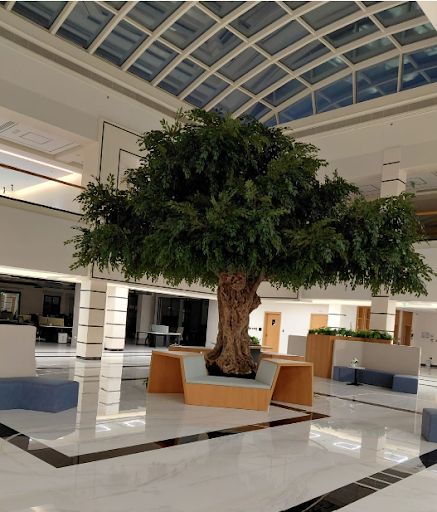
The world of interior design has witnessed a remarkable transformation in recent years, with botanical elements taking center stage in creating inviting, vibrant spaces. Among the most sought-after solutions for bringing nature indoors without the maintenance challenges of living plants are meticulously crafted synthetic botanical installations. These stunning creations combine artistic vision with technical expertise to deliver breathtaking results that rival their natural counterparts in visual appeal while offering unmatched durability and convenience.
The journey of creating a premium synthetic botanical specimen begins with understanding the unique requirements of each space and client. Whether destined for corporate lobbies, luxury residences, hospitality venues, or commercial establishments, these installations must seamlessly integrate with their surroundings while making a powerful visual statement. The process involves careful consideration of dimensions, aesthetic preferences, environmental conditions, and the overall design philosophy of the space. This personalized approach ensures that each creation becomes a distinctive focal point rather than a generic decorative element.
Modern manufacturing techniques have revolutionized the quality and realism of synthetic botanical products, allowing artisans to create pieces that challenge even the most discerning eye. The combination of authentic natural materials with premium synthetic components results in installations that capture the essence of living plants while eliminating concerns about watering, sunlight requirements, pest control, and seasonal changes. This fusion of natural and manufactured elements represents the pinnacle of contemporary botanical design, offering the best of both worlds to clients who demand excellence.
The recent completion of an impressive custom installation demonstrates the extraordinary possibilities within this specialized field. Standing at nearly fifteen feet in height, this magnificent specimen showcases the level of craftsmanship and attention to detail that defines premium botanical artistry. The creation process involved selecting an authentic tree trunk as the foundation, ensuring structural integrity and natural aesthetic appeal, then meticulously attaching superior quality synthetic foliage to create a cohesive, lifelike appearance. The result is a breathtaking installation that commands attention while maintaining the organic character of genuine botanical specimens.
The growing popularity of oversized synthetic botanical installations reflects broader trends in interior design and commercial space planning. These impressive creations serve multiple purposes beyond simple decoration, contributing to the overall atmosphere, perceived value, and functionality of the spaces they inhabit. Understanding the multifaceted benefits of these installations helps explain why businesses and homeowners increasingly choose them over traditional living plants or smaller decorative alternatives.
One of the most compelling advantages of large-scale synthetic botanical installations is their ability to create immediate visual impact without the extended growth period required by living specimens. A mature living tree of comparable size might take decades to develop, making it impractical for most interior applications. Synthetic alternatives deliver instant gratification, transforming spaces from ordinary to extraordinary in a matter of hours. This immediacy is particularly valuable in commercial settings where first impressions significantly influence customer perceptions and business success.
The maintenance-free nature of premium synthetic botanical installations represents another significant advantage, particularly for busy commercial environments and homeowners with demanding schedules. Unlike living plants that require regular watering, fertilization, pruning, and pest management, synthetic specimens maintain their pristine appearance indefinitely with minimal care. Occasional dusting or gentle cleaning is typically sufficient to keep these installations looking fresh and vibrant year-round. This low-maintenance characteristic translates to substantial cost savings over time, eliminating the need for specialized horticultural staff or ongoing plant care services.
Environmental consistency is another crucial factor driving the adoption of synthetic botanical installations in interior spaces. Living plants often struggle in environments with limited natural light, temperature fluctuations, or air quality issues common in modern buildings. Synthetic alternatives thrive in any environment, maintaining their appearance regardless of lighting conditions, temperature variations, or air circulation patterns. This adaptability makes them ideal for spaces where living plants would struggle or fail entirely, such as windowless conference rooms, basement areas, or climate-controlled facilities with specific temperature requirements.
The longevity and durability of premium synthetic botanical installations provide exceptional value over their lifespan. While the initial investment may exceed that of living plants, the absence of replacement costs, maintenance expenses, and potential damage from plant failure makes synthetic options economically advantageous in the long term. A well-crafted synthetic installation can maintain its appearance for many years, providing consistent aesthetic value without the unpredictability associated with living specimens. This reliability is particularly important in commercial settings where consistent appearance contributes to brand image and customer experience.
Creating exceptional synthetic botanical installations requires a unique combination of artistic vision, technical skill, and deep understanding of natural plant characteristics. The process goes far beyond simply assembling prefabricated components; it involves careful study of living specimens, selection of premium materials, and meticulous attention to detail at every stage of construction. This craftsmanship distinguishes superior installations from mass-produced alternatives, resulting in pieces that truly capture the essence of natural botanical beauty.
The foundation of any outstanding synthetic botanical installation begins with selecting appropriate structural elements. For tree-style installations, this often means sourcing authentic wood trunks and branches that provide both structural integrity and natural aesthetic appeal. These natural components introduce organic variation, texture, and character that synthetic materials alone cannot replicate. Artisans carefully evaluate potential trunk specimens, considering factors such as size, shape, bark texture, and overall visual appeal to ensure compatibility with the intended design vision.
Once the structural foundation is established, the process of selecting and attaching synthetic foliage begins. Premium synthetic leaves are manufactured using advanced techniques that replicate the color variations, vein patterns, surface textures, and dimensional characteristics of living leaves. The best quality synthetic foliage incorporates multiple shades of green, subtle color gradations, and realistic surface treatments that mimic the waxy coating found on many plant species. This attention to detail creates depth and visual interest that distinguishes premium installations from lower-quality alternatives.
The arrangement and attachment of synthetic foliage requires both artistic sensibility and technical precision. Artisans study the natural growth patterns of the species being replicated, understanding how branches emerge from the trunk, how leaves cluster along stems, and how the overall canopy develops its characteristic shape. This knowledge informs the placement of each element, ensuring that the finished installation exhibits the organic randomness and natural proportions found in living specimens. The process is time-intensive and labor-intensive, but the results justify the investment in creating truly exceptional pieces.
Quality control throughout the construction process ensures that every aspect of the installation meets exacting standards. Artisans regularly step back to evaluate the overall composition, making adjustments to achieve optimal balance, proportion, and visual appeal. This iterative process continues until the installation achieves the desired level of realism and aesthetic impact. The commitment to excellence at every stage of production distinguishes premium custom installations from mass-produced alternatives, resulting in pieces that command attention and admiration.
The ability to customize synthetic botanical installations to meet specific requirements represents one of their most valuable characteristics. Unlike living plants that grow according to their own biological imperatives, synthetic installations can be designed and constructed to precise specifications, ensuring perfect integration with their intended environment. This flexibility enables designers and clients to realize their vision without compromise, creating truly unique installations that reflect individual preferences and spatial requirements.
Height customization is among the most fundamental aspects of creating bespoke synthetic botanical installations. The ability to specify exact dimensions ensures that installations fit perfectly within their designated spaces, whether that means creating towering specimens for grand lobbies or more modest pieces for residential settings. The recently completed fifteen-foot installation demonstrates the impressive scale achievable with custom fabrication, but the same techniques can be applied to create installations of virtually any height. This scalability makes custom synthetic botanical installations suitable for an enormous range of applications and environments.
Canopy shape and density represent another important customization parameter, allowing installations to be tailored to specific aesthetic preferences and spatial constraints. Some clients prefer full, lush canopies that create maximum visual impact and provide a sense of enclosure, while others favor more open, airy arrangements that allow light to filter through and maintain visual connection to surrounding spaces. Artisans can adjust the density and distribution of foliage to achieve the desired effect, creating installations that range from sparse and sculptural to dense and jungle-like.
Color customization extends beyond simple green variations to include seasonal effects, variegated patterns, and even non-traditional color schemes for artistic installations. While most clients prefer realistic green tones that mimic living plants, the flexibility of synthetic materials allows for creative interpretations that would be impossible with living specimens. Some installations incorporate subtle color gradations that suggest seasonal changes, while others feature bold, unexpected color combinations that serve as artistic statements rather than botanical replicas.
Trunk and branch customization allows for further personalization, with options ranging from smooth, refined finishes to rugged, heavily textured surfaces. The choice of natural wood components introduces inherent variation, with each trunk possessing unique characteristics in terms of color, grain pattern, and surface texture. Artisans can enhance these natural features or modify them to achieve specific aesthetic goals, creating installations that range from refined and elegant to rustic and organic. This level of customization ensures that each installation possesses a distinctive character that reflects its unique design vision.
The versatility of premium synthetic botanical installations makes them suitable for an extraordinarily wide range of applications and environments. Understanding the ideal settings for these installations helps clients and designers make informed decisions about incorporating them into their spaces. From corporate environments to residential settings, hospitality venues to retail establishments, these impressive creations enhance virtually any interior space while providing lasting value and visual appeal.
Corporate environments represent one of the most popular applications for large-scale synthetic botanical installations. Office lobbies, reception areas, conference rooms, and executive suites benefit from the presence of impressive botanical elements that create welcoming atmospheres while projecting professionalism and attention to detail. These installations contribute to positive first impressions for clients and visitors while providing employees with visual connections to nature that research has shown to improve mood, productivity, and overall well-being. The maintenance-free nature of synthetic installations is particularly valuable in corporate settings where consistent appearance is essential and resources for plant care may be limited.
Hospitality venues including hotels, resorts, restaurants, and event spaces utilize large synthetic botanical installations to create memorable environments that enhance guest experiences. These installations contribute to the overall ambiance and aesthetic appeal of spaces while withstanding the challenges of high-traffic environments. Unlike living plants that may suffer from inconsistent care or environmental stress in busy hospitality settings, synthetic installations maintain their pristine appearance regardless of foot traffic, lighting conditions, or temperature variations. This reliability ensures that venues consistently present their best appearance to guests.
Retail environments leverage the visual impact of impressive botanical installations to attract customers, create inviting shopping experiences, and reinforce brand identity. High-end boutiques, shopping centers, showrooms, and flagship stores use these installations as focal points that distinguish their spaces from competitors while creating Instagram-worthy moments that encourage social media sharing and word-of-mouth marketing. The ability to customize installations to align with brand aesthetics and seasonal campaigns makes them particularly valuable in retail applications where visual merchandising plays a crucial role in driving sales.
Residential applications for large synthetic botanical installations have grown significantly as homeowners recognize the benefits of maintenance-free botanical elements in their living spaces. Grand entryways, living rooms, home offices, and indoor atriums provide ideal settings for impressive installations that create visual interest and bring natural elements indoors without the challenges of caring for living plants. The ability to place installations in locations unsuitable for living plants—such as windowless rooms or spaces with temperature extremes—expands design possibilities and allows homeowners to realize their aesthetic vision without compromise.
Healthcare facilities, educational institutions, and public buildings increasingly incorporate synthetic botanical installations to create more welcoming, humanized environments. Research has demonstrated the positive psychological effects of natural elements in these settings, with botanical installations contributing to reduced stress, improved mood, and enhanced overall well-being. The hygienic nature of synthetic installations makes them particularly suitable for healthcare environments where living plants might harbor allergens or require pesticides that could affect sensitive populations.
Understanding the process of creating custom synthetic botanical installations provides insight into the expertise, planning, and coordination required to deliver exceptional results. From initial consultation through final installation, each project follows a carefully orchestrated sequence of steps designed to ensure that the finished product exceeds client expectations while meeting all technical and aesthetic requirements. This comprehensive approach distinguishes professional custom fabrication from simple product sales, resulting in installations that truly transform spaces.
The process begins with detailed consultation to understand client needs, preferences, and spatial requirements. During this phase, designers work closely with clients to explore possibilities, discuss options, and develop a clear vision for the installation. Considerations include overall dimensions, style preferences, budget parameters, timeline requirements, and any specific challenges presented by the installation location. This collaborative approach ensures that all stakeholders share a common understanding of project goals and expectations before fabrication begins.
Following the initial consultation, designers develop detailed specifications and, when appropriate, visual renderings that illustrate the proposed installation. These materials provide clients with a clear preview of the finished product, allowing for refinements and adjustments before fabrication begins. The specification process addresses all aspects of the installation, including precise dimensions, materials, color schemes, structural requirements, and installation methods. This thorough planning phase minimizes surprises and ensures smooth execution during subsequent stages.
The fabrication phase represents the heart of the custom installation process, where skilled artisans transform raw materials into finished botanical masterpieces. This stage involves sourcing appropriate trunk materials, preparing structural components, selecting premium synthetic foliage, and meticulously assembling all elements according to the approved specifications. Quality control throughout fabrication ensures that the installation meets exacting standards for realism, durability, and aesthetic appeal. The time required for fabrication varies depending on the size and complexity of the installation, with larger pieces requiring several weeks of dedicated craftsmanship.
Transportation and logistics planning ensure that completed installations arrive at their destinations safely and on schedule. Large installations require careful packaging to protect delicate foliage during transit while securing structural components to prevent damage. Coordination with shipping providers, attention to delivery schedules, and communication with clients ensure smooth logistics that minimize disruption and facilitate efficient installation. The recent shipment to Atlanta, Georgia demonstrates the capability to deliver impressive installations across significant distances while maintaining their pristine condition.
While synthetic botanical installations require minimal maintenance compared to living plants, understanding proper care techniques ensures that they maintain their appearance and provide lasting value. Implementing simple maintenance routines preserves the investment in these installations while ensuring they continue to enhance their environments for years to come. The ease of maintenance represents one of the most compelling advantages of synthetic installations, making them practical choices for busy commercial environments and residential settings alike.
Regular dusting represents the primary maintenance requirement for synthetic botanical installations. Dust accumulation can dull the appearance of synthetic foliage over time, diminishing the vibrant colors and realistic sheen that characterize premium installations. Simple dusting with soft cloths, feather dusters, or gentle vacuum attachments removes accumulated dust and restores the fresh appearance of the foliage. The frequency of dusting depends on environmental conditions, with installations in high-traffic areas or dusty environments requiring more frequent attention than those in cleaner settings.
Periodic deep cleaning maintains the pristine appearance of synthetic installations over the long term. This process typically involves gently wiping leaves with damp cloths or using specialized cleaning solutions designed for synthetic plants. Some installations can be carefully rinsed with water, though this approach requires proper drainage and drying to prevent water damage to structural components. Deep cleaning once or twice annually is typically sufficient to maintain optimal appearance, though specific requirements may vary based on environmental conditions and installation characteristics.
Inspection for damage or wear allows for timely repairs that prevent minor issues from becoming major problems. Checking for loose leaves, damaged branches, or structural concerns during routine maintenance enables prompt attention to any issues that arise. Most minor repairs can be addressed quickly and easily, restoring the installation to perfect condition. This proactive approach to maintenance extends the lifespan of installations and ensures they continue to provide value and visual appeal.
Environmental considerations, while less critical than with living plants, still merit attention to ensure optimal longevity of synthetic installations. Avoiding placement in direct sunlight prevents potential fading of synthetic materials over extended periods. Similarly, keeping installations away from heat sources prevents potential damage to synthetic components. While synthetic installations tolerate a wide range of environmental conditions, thoughtful placement maximizes their lifespan and maintains their appearance.
The creation of exceptional synthetic botanical installations represents a unique intersection of artistic vision, technical expertise, and deep appreciation for natural beauty. These impressive creations transform ordinary spaces into extraordinary environments, providing lasting value through their combination of visual impact, durability, and minimal maintenance requirements. The recent completion of a magnificent fifteen-foot custom installation destined for Atlanta exemplifies the remarkable possibilities within this specialized field, demonstrating how skilled artisans can create breathtaking pieces that rival living specimens in beauty while offering practical advantages that make them ideal for modern interiors.
As interior design continues to evolve and the demand for biophilic elements in built environments grows, synthetic botanical installations will play an increasingly important role in creating spaces that connect occupants with nature. The ability to customize these installations to meet specific requirements, combined with their maintenance-free nature and environmental adaptability, positions them as superior solutions for a wide range of applications. Whether enhancing corporate lobbies, hospitality venues, retail environments, or residential spaces, these impressive creations deliver immediate impact and lasting value that justifies the investment in premium craftsmanship and materials.
Custom artificial ficus trees are highly popular in Dubai because they bring luxurious greenery into indoor spaces without the maintenance challenges caused by heat, air conditioning, and limited natural light.
Artificial ficus trees are ideal for Dubai villas, hotel lobbies, offices, restaurants, shopping malls, retail stores, and commercial spaces that require elegant, maintenance-free décor.
Yes, premium artificial ficus trees are designed to maintain their beauty in Dubai’s indoor environments, making them a long-lasting solution for modern interiors and commercial settings.