





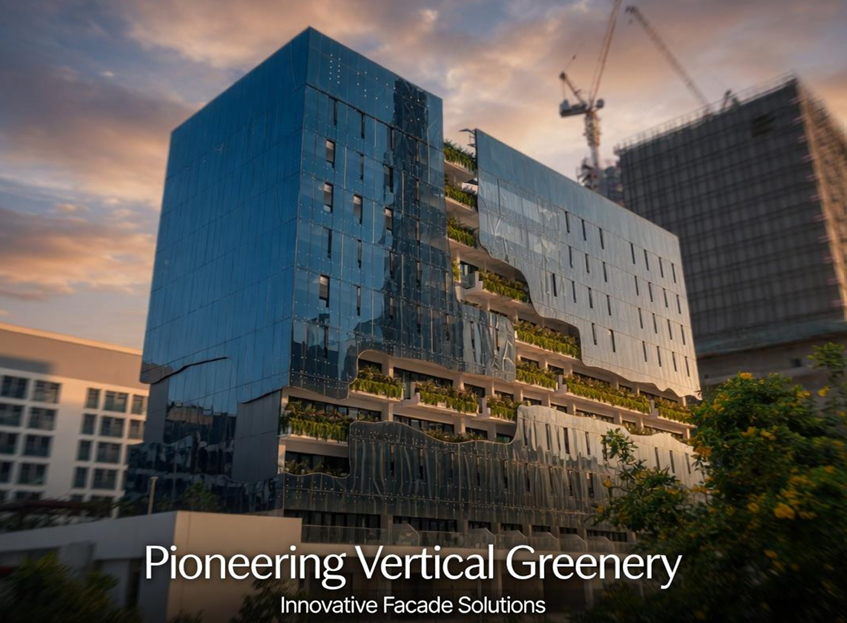
High-end buildings in the UAE are designed to make a strong impression. From luxury hotel lobbies and premium residential towers to corporate headquarters, shopping centres and high-end restaurants, every architectural detail contributes to the overall experience. UV resistant artificial plants in the UAE can help these spaces maintain a polished green appearance in areas exposed to sunlight, heat and dust.
Greenery is an important part of this design. Plants and trees can soften contemporary architecture, create welcoming spaces and introduce a natural element into sophisticated interiors. However, maintaining natural plants in the UAE can be challenging, particularly in areas exposed to intense sunlight, heat, air conditioning and dust.
Commercial-grade artificial plants can deliver the appearance of natural greenery while maintaining a consistent look with significantly less maintenance. For high-end buildings, the right specification should consider UV protection, fire performance, material quality, realism, installation method and long-term appearance.
UV-resistant artificial plants are manufactured or treated to withstand exposure to ultraviolet radiation. Ordinary decorative artificial plants may lose their colour, become brittle or deteriorate when exposed to prolonged sunlight. UV-resistant products are designed to provide greater resistance to fading and degradation, making them more appropriate for areas exposed to sunlight.
For UAE buildings, this distinction is especially important because many premium spaces combine indoor luxury finishes with strong natural light or semi-outdoor exposure.
The UAE’s climate presents unique challenges for landscaping and decorative greenery. High temperatures and strong sunlight can accelerate the deterioration of lower-quality artificial foliage. For luxury properties, where appearance and presentation are extremely important, faded or discoloured plants can negatively affect the overall design.
UV-resistant artificial plants help provide a more reliable solution for areas exposed to sunlight. For high-end developments, choosing the correct specification from the beginning can help maintain the intended appearance of the landscaping concept.
1. Luxury Hotel Lobbies
Hotel lobbies are one of the most important areas for creating a first impression. Large artificial trees, palms and decorative plants can be used to create dramatic focal points without introducing the ongoing irrigation and horticultural requirements of living plants.
For larger feature installations, bespoke artificial trees can be designed around the lobby’s height, circulation paths, interior materials and architectural concept.
2. High End Residential Towers
Luxury residential developments increasingly use greenery in entrance lobbies, reception areas, terraces and shared amenities. Artificial plants can be particularly useful in areas where natural plants may not receive sufficient sunlight or where maintenance access is limited.
For premium residences, the artificial greenery should look convincing from close range. High-quality products should incorporate variations in leaf size, colour, texture and density rather than relying on repetitive foliage.
3. Corporate Headquarters
Modern corporate buildings often use biophilic design concepts to create more welcoming workplaces. Artificial plants can be incorporated into reception areas, executive offices, meeting rooms, breakout areas, corridors, waiting areas, cafeterias and outdoor terraces.
For businesses operating in premium commercial buildings, artificial greenery provides a consistent appearance without the daily requirements associated with maintaining living plants.
4. Shopping Malls and Retail Buildings
Shopping malls require greenery that can withstand high visitor traffic while maintaining a polished appearance. Large artificial trees for commercial spaces can also become architectural focal points within retail environments such as atriums, food courts, VIP lounges and promotional areas.
5. Luxury Restaurants and Hospitality Spaces
Restaurants and lounges often use greenery to create a distinctive atmosphere. Artificial plants can be incorporated into decorative screens, ceiling installations, planters and feature walls.
Outdoor restaurants require additional consideration because the greenery may be exposed to direct sunlight. In these situations, UV-rated products should be specified rather than standard indoor decorative plants.
UV resistance does not mean that every product is suitable for every outdoor condition. The supplier should confirm the intended application and provide the relevant product specification.
| Feature | Standard Artificial Plants | UV Resistant Artificial Plants |
|---|---|---|
| Indoor use | Suitable | Suitable |
| Direct sunlight | Limited suitability | Designed for better resistance |
| Resistance to fading | Lower | Higher |
| Outdoor applications | Product dependent | More suitable |
| High-end commercial projects | Select carefully | Preferred where exposure warrants |
| Long-term appearance | Depends on material | Better suited to sun-exposed areas |
UV protection is only one consideration when specifying artificial greenery for high-end commercial buildings. Fire performance can also be important, particularly in hotels, malls, offices, restaurants and other public buildings. Shajara has dedicated information on fire resistant plants and fire retardant artificial plants in the UAE for projects where these requirements apply.
Before approving artificial greenery for a project, architects, consultants and contractors should request the relevant technical documentation and confirm that the proposed product meets the project’s requirements.
High-end buildings often require more than standard catalogue products. A bespoke artificial plant or tree can be manufactured according to the project’s required height, canopy width, plant species, branch structure, leaf density, colour, planter dimensions, architectural concept and installation requirements.
This is particularly valuable for statement installations such as large artificial olive trees, bespoke palms, artificial ficus trees and architectural feature trees.
Outdoor Applications What Should You Specify
For artificial greenery installed outside a high-end building, it is important to consider more than appearance.
UV resistance
Confirm that the foliage is specifically designed for the expected level of UV exposure.
Weather exposure
Consider whether the installation will be exposed to wind, rain, dust and temperature changes.
Structural fixing
Large artificial trees may require internal structures, base plates, anchoring systems or engineered fixing methods.
Planter stability
Large trees installed in planters should have adequate stability for their height and location.
Fire performance
Where required by the project, select products with suitable fire-performance documentation.
Maintenance access
Even low-maintenance artificial plants require periodic cleaning to remove dust and maintain their appearance.
Natural plants provide genuine biological greenery, but they also require suitable growing conditions and ongoing horticultural care. Artificial plants can be particularly advantageous in locations where natural plants would struggle because of limited sunlight, air-conditioned interiors, difficult maintenance access, high foot traffic, seasonal appearance requirements, watering limitations or restricted planting areas.
The objective is not necessarily to replace natural landscaping everywhere. Instead, artificial greenery can be used strategically where it provides a practical and visually consistent solution.
Realistic appearance
Premium artificial plants should have realistic foliage, natural colour variation and convincing branch structures.
UV protection
For areas exposed to sunlight, confirm the UV-resistance specification.
Fire performance
For commercial projects, request the applicable fire-test documentation where required.
Customization
Consider whether the supplier can manufacture plants or trees according to your architectural requirements.
Installation
A professional installation can make a significant difference to the final appearance of a large artificial tree or green wall.
Planter selection
The planter should complement the architectural design and provide appropriate stability for the plant or tree.
Maintenance
Ask the supplier about cleaning requirements and recommended maintenance procedures.
UV-resistant artificial plants are an effective greenery solution for high-end buildings in the UAE, particularly where plants are exposed to sunlight or where maintaining natural vegetation would be difficult.
From luxury hotels and residential towers to shopping malls, offices and premium restaurants, artificial plants can provide a consistent and sophisticated appearance with significantly reduced maintenance requirements.
For the best results, the greenery should be specified according to the environment. Consider UV resistance, fire performance, material quality, realism, customization, structural fixing and professional installation before selecting a product.
For architects, developers, interior designers and contractors working on premium UAE projects, high-quality UV-resistant artificial greenery can provide the visual impact of lush landscaping while offering a practical solution suited to demanding commercial environments. Contact Shajara to discuss UV-resistant artificial plants for a UAE commercial or hospitality project.
UV resistant artificial plants are artificial greenery products made or treated to better withstand sunlight exposure. They are designed to reduce fading, brittleness and material degradation in sun-exposed areas.
They are most useful in outdoor entrances, terraces, balconies, rooftops, pool areas, glass atriums and semi-outdoor hospitality spaces where artificial greenery may be exposed to strong sunlight.
Yes. UV resistant artificial plants can be suitable for hotels, malls, offices, restaurants and residential towers when the product specification matches the exposure level, design requirement and installation location.
Some commercial projects may require fire retardant or fire-rated artificial plants, especially in hotels, malls, offices and public buildings. The project team should confirm the required documentation before approval.